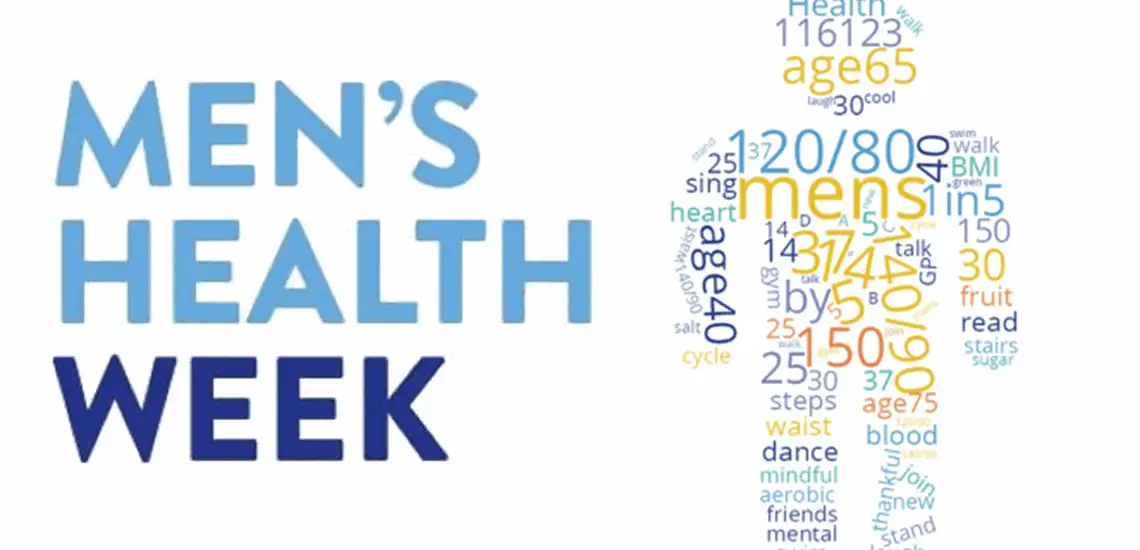
In 2026, Men’s Health Week is scheduled for 15–21 June. This annual campaign occurs in the week leading up to Father’s Day, focusing on raising awareness about preventable physical and mental health issues in men. The week focuses on raising awareness of preventable health issues, encouraging early check-ups, and promoting both physical and mental wellbeing in men and boys.
Men’s Health Awareness Week 2026
15–21 June 2026
Why Men’s Health Awareness Matters
Many men delay seeking help for physical or mental health concerns, which can lead to preventable illnesses becoming more serious. Men are statistically less likely to attend routine health checks and more likely to ignore symptoms.
Key awareness points:
- Around 1 in 5 men die before the age of 65.
- Around 75% of suicides in England and Wales are male.
- Men are more likely to experience:
- Heart disease
- High blood pressure
- Type 2 diabetes
- Certain cancers (especially prostate and testicular cancer)
- Stress-related illness
- Poor mental health support engagement
Prioritising Men’s Health: Why Awareness Matters
Men’s Health Awareness Week is an important opportunity to encourage open conversations around physical and mental wellbeing, promote preventative healthcare, and remind men that seeking support early can make a significant difference.
Across the UK, many men are still less likely to seek medical advice, attend regular health checks, or speak openly about stress, anxiety, or emotional wellbeing. Raising awareness helps break down stigma and encourages positive action.
This year’s awareness week runs from 15–21 June 2026, focusing on improving health outcomes for men and boys through education, support, and early intervention.
Why Men’s Health Should Be Taken Seriously
Statistics continue to highlight the importance of encouraging men to engage with their health:
- Men are more likely to develop serious health conditions such as heart disease, high blood pressure, and type 2 diabetes.
- Suicide remains one of the leading causes of death among men under 50.
- Many common health conditions can be treated more successfully when identified early.
- Lifestyle factors such as stress, poor sleep, inactivity, smoking, and alcohol consumption can significantly impact long-term wellbeing.
The key message this week is simple:
Prevention, conversation, and early action save lives.
Key Areas of Men’s Health Awareness
Mental Health & Emotional Wellbeing
Mental health challenges affect men of all ages, yet many still struggle to speak openly or seek support.
Signs that someone may be struggling include:
- Increased stress or irritability
- Withdrawal from friends or family
- Changes in sleep or appetite
- Difficulty concentrating
- Low mood or loss of motivation
Encouraging honest conversations and checking in with colleagues, friends, and loved ones can make a real difference.
Helpful reminder:
Seeking support is a sign of strength, not weakness.
Physical Health Checks
Routine health checks can help identify issues early before they become more serious.
Men are encouraged to:
- Monitor blood pressure
- Check cholesterol levels
- Attend regular GP appointments
- Discuss any ongoing symptoms
- Stay aware of family medical history
Symptoms that should never be ignored:
- Persistent fatigue
- Chest pain
- Unexplained weight loss
- Blood in urine
- Lumps or swelling
- Ongoing pain or discomfort
Prostate Cancer Awareness
Prostate cancer is one of the most common cancers affecting men in the UK.
Higher-risk groups include:
- Men over 50
- Black men
- Those with a family history of prostate cancer
Early conversations with a GP about symptoms and screening can be extremely important.
Testicular Cancer Awareness
Testicular cancer is more common in younger men and is highly treatable when detected early.
Encourage regular self-checks and seeking medical advice if any unusual changes are noticed.
Possible warning signs include:
- A lump or swelling
- Pain or discomfort
- A feeling of heaviness
Simple Ways to Improve Wellbeing
Small daily habits can have a major impact on long-term health.
Positive wellbeing habits include:
- Regular exercise or walking
- Healthy eating
- Good sleep routines
- Drinking more water
- Managing stress levels
- Reducing alcohol intake
- Stopping smoking
- Spending time outdoors
- Staying socially connected
Even small lifestyle changes can improve both physical and mental wellbeing over time.
Supporting Men’s Health in the Workplace
Workplaces play an important role in promoting healthier lifestyles and encouraging supportive conversations.
Ideas organisations can implement include:
- Employee wellbeing talks
- Mental health awareness sessions
- Walking meetings
- Free health screenings
- Stress management workshops
- Flexible wellbeing initiatives
- Encouraging regular breaks and movement
Creating a culture where employees feel comfortable discussing wellbeing can positively impact both morale and productivity.
How You Can Take Part This Week
This Men’s Health Awareness Week:
- Book a health check
- Start a conversation
- Check in with someone
- Prioritise rest and recovery
- Make one positive lifestyle change
- Encourage others to seek support when needed
Useful Support & Information
Men’s Health Resources
- Men’s Health Forum UK
- NHS Men’s Health Advice
- Mind UK
- CALM – Campaign Against Living Miserably
- Samaritans
Final Message
Men’s health matters every day of the year — not just during awareness week. By encouraging open conversations, regular health checks, and healthier lifestyles, we can help improve wellbeing outcomes for men across our communities and workplaces.
Together, we can help break the stigma and encourage positive action.